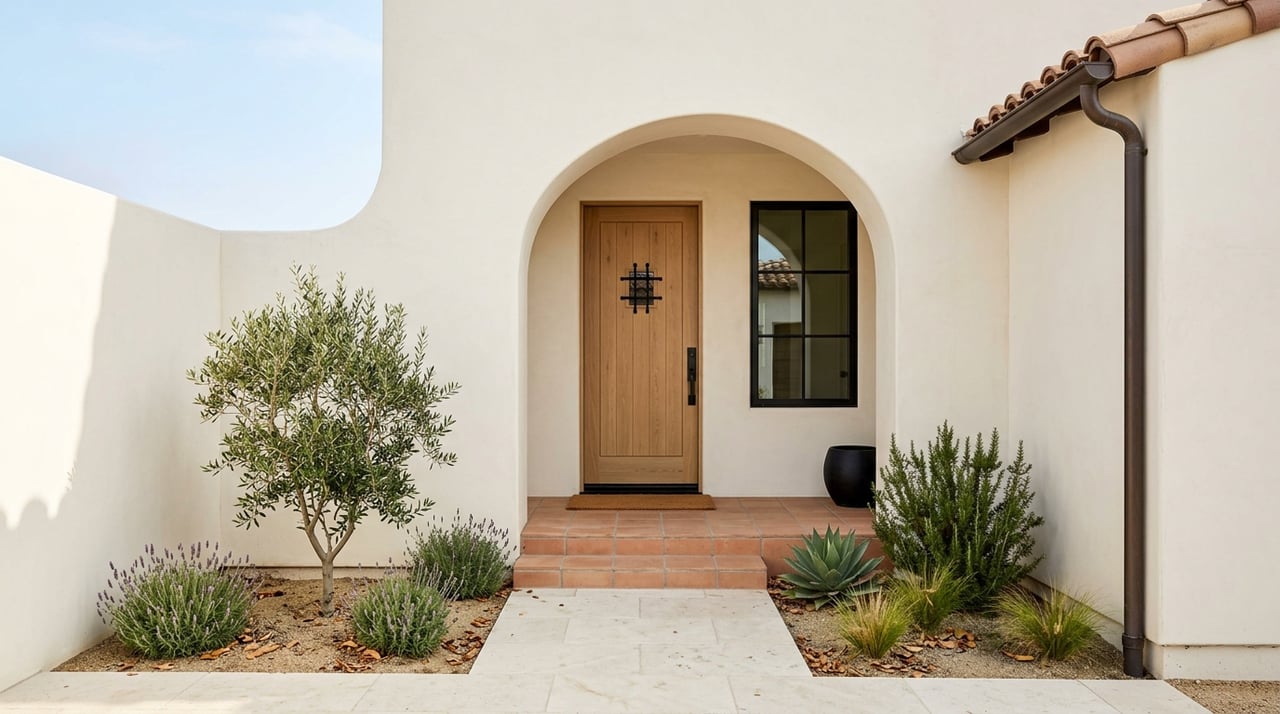
Wondering what gives Palos Verdes Estates its distinct feel? In this city, architecture and atmosphere are closely connected. If you are buying, selling, or simply trying to understand the area better, it helps to see how design, landscape, and daily life work together here. Let’s dive in.
Why Palos Verdes Estates Feels Different
Palos Verdes Estates was planned as a coastal residential community, and that original vision still shapes the city today. According to the city, Frank A. Vanderlip bought the land in 1913, the Olmsted Brothers designed the roads and open space, and 28% of the land was dedicated as permanent open space.
That early planning matters because it created more than a collection of homes. It created a setting where streets, landscaping, views, and architecture were meant to work as one experience. The result is a city that feels intentional, scenic, and primarily residential.
The city incorporated in 1939, and construction of the first Spanish-style homes began in the early 1920s. That means the community’s visual identity is not accidental or recent. It has deep roots that still influence how homes are built, updated, and appreciated today.
Spanish Revival Sets the Tone
If you picture Palos Verdes Estates, you are probably picturing Spanish or Mediterranean Revival architecture. The city’s own style guidance still centers features like low-to-moderate rooflines, red terracotta tile, stucco walls, arches, and wrought iron.
Those details are not just decorative. They help create the warm, coastal character that many buyers notice right away. Even when individual homes vary in size or layout, these shared design elements give the city a strong sense of continuity.
For homeowners, this architectural identity also has practical importance. The city’s neighborhood-compatibility process reviews massing, height, materials, and view impacts, and most projects also need preliminary approval from the Palos Verdes Homes Association.
That review culture helps explain why the area feels cohesive. In Palos Verdes Estates, changes to a property are not viewed in isolation. They are considered in the context of the street, the lot, and the broader setting.
Malaga Cove Shows the Original Vision
Malaga Cove Plaza is one of the clearest expressions of Palos Verdes Estates’ original design language. The city describes it as the centerpiece of the community’s Mediterranean Revival architecture, and the National Park Service added it to the National Register in 2021.
This area works as both a visual landmark and a social anchor. The plaza, along with the nearby library, school, and church cluster, gives Malaga Cove a civic and historic feel that is rare in a largely residential city.
You can also trace the area’s early identity through La Venta Inn. The city says it opened in 1923 in a Spanish villa style and served as the first permanent building on the peninsula.
For buyers and sellers, Malaga Cove helps tell the story of why Palos Verdes Estates feels so established. It is not just attractive architecture. It is architecture tied directly to the city’s original plan and long-term character.
Later Homes Add Variety
While Spanish and Mediterranean styles define the historic core, Palos Verdes Estates is not limited to one look. There are later architectural layers in the city, including some mid-century influences.
The Palos Verdes Library District describes Palos Verdes High School, built starting in 1960, as combining classic Mid-Century Modernism with gabled roofs and stucco walls. That is a useful example because it shows how later design appeared here without fully replacing the original character.
In practical terms, that means you may find homes with cleaner lines or more modern features, but the city still reads as primarily Spanish and Mediterranean in feel. The atmosphere is consistent, even when the architecture has some range.
The Coastal Setting Shapes Daily Life
Architecture is only part of the story. Palos Verdes Estates sits on the north coast of the Palos Verdes Peninsula with views toward Santa Monica Bay, the Channel Islands, and the Los Angeles basin.
The city describes rugged bluffs, chaparral hillsides, scenic sunset views, temperate Pacific breezes, and a sunny, dry, temperate climate. Those natural features shape how the city looks and how it feels to live there day to day.
This is a place where the landscape is part of the lifestyle. Outdoor space, view corridors, and the relationship between home and setting matter here in a very visible way.
That is one reason homes that connect well to outdoor living often stand out. When a property sits comfortably on its lot and responds to the surrounding scenery, it fits the local character especially well.
Outdoor Atmosphere Over Urban Pace
Palos Verdes Estates offers a very different rhythm than a dense urban neighborhood. The city says it has no recreation department or formal programs, and instead residents use self-guided pathways, bluff-top trails, beach access from Paseo Del Mar, and passive parks.
The city also maintains parklands, street medians, open spaces, walking paths, and parkways. That ongoing care supports the green, well-kept streetscape that so many people associate with the area.
Everyday life here tends to center on movement through the landscape. Walking, coastal outings, and time outdoors are part of the appeal.
The city also identifies the Palos Verdes Beach and Athletic Club, the Tennis Club, the Golf Club, and the Stables as key recreation concessions. Together, those features reinforce an atmosphere that feels scenic, active, and residential rather than busy or commercial.
A Mostly Residential City
Scale plays a big role in atmosphere, too. In its 2024 annual report, Palos Verdes Estates listed a population of 13,014 and described itself as overwhelmingly residential and nearly fully developed.
Commercial activity is limited to only two small areas. That fact helps explain why the city feels quieter and more private than many nearby coastal markets.
You are not getting a large downtown environment here. Instead, you get a residential setting where architecture, open space, and views do most of the work in shaping the experience of place.
How Malaga Cove and Lunada Bay Differ
Malaga Cove Atmosphere
Malaga Cove is the historic heart of the city and the closest thing Palos Verdes Estates has to a village center. The Palos Verdes Library District describes the area as defined by 1920s Mediterranean and Spanish Revival architecture, red clay roofs, and archways.
Because the plaza sits near civic and community-serving buildings, the area feels walkable, established, and visually distinctive. If you are drawn to historic character, Malaga Cove often captures that image best.
Lunada Bay Atmosphere
Lunada Bay has a different mood. The city’s annual report identifies Lunada Bay Plaza as one of the city’s two small commercial areas, and the recreation page notes that Lunada Bay Plaza is also a passive park with beach access nearby.
That combination suggests a quieter coastal-edge setting. Compared with Malaga Cove’s plaza-centered historic feel, Lunada Bay reads as more open, breezy, and tied to the shoreline.
Residential Streets Between the Centers
Much of Palos Verdes Estates is experienced in the residential streets between these nodes. The Planning Commission says the city’s charm comes from street trees, ocean and hillside views, building architecture, open space, residential roadways, and blue skies.
That planning language lines up with what many people notice in person. The streets feel view-oriented, green, and privacy-conscious, with homes and landscaping working together to support a calm overall atmosphere.
What Buyers Should Notice
If you are buying in Palos Verdes Estates, it helps to look beyond square footage alone. In this market, the strongest properties often combine architectural character, a comfortable fit on the lot, preserved views, and a clear connection to outdoor living.
That framing reflects the city’s emphasis on compatibility, open space, and landscape. A home that feels right for its setting may offer value that goes beyond finishes or floor plan alone.
You should also pay attention to how a property relates to neighborhood context. Since local review can affect future changes, it is smart to understand the home not just as it is today, but also in relation to design standards and surrounding properties.
What Sellers Should Keep in Mind
For sellers, architectural integrity matters in Palos Verdes Estates. Buyers are often responding not just to the house itself, but to how well it fits the city’s overall character.
Well-proportioned updates, preserved original details, and thoughtful exterior presentation can be especially meaningful here. That is partly because the city reviews new construction and remodels for neighborhood fit, and most projects also need preliminary PVHA approval.
If you have completed exterior improvements or maintained character-defining elements, those details may be an important part of your home’s story. In a market like this, presentation is not just about style. It is also about context.
Why Architecture and Atmosphere Matter Together
In Palos Verdes Estates, the built environment and the natural environment are closely linked. Spanish and Mediterranean forms, mature landscaping, open space, and coastal views all support the same feeling.
That is why the city tends to leave a strong impression. It feels curated without feeling artificial, and scenic without losing its residential calm.
For buyers, that can make it easier to identify what truly sets one property apart. For sellers, it can help shape a marketing strategy that highlights not only the home, but also the lifestyle and design context that make Palos Verdes Estates unique.
If you are thinking about buying or selling in Palos Verdes Estates, working with someone who understands neighborhood character can make the process more informed and less stressful. For personal guidance and local insight, connect with Theresa Bruno.
FAQs
What architectural styles are most common in Palos Verdes Estates?
- Spanish and Mediterranean Revival styles are the most common, especially in the historic core, with some later mid-century influences in parts of the city.
Is Palos Verdes Estates mostly residential?
- Yes. The city describes Palos Verdes Estates as overwhelmingly residential, nearly fully developed, with commercial activity concentrated in only two small areas.
What area feels like the center of Palos Verdes Estates?
- Malaga Cove is widely seen as the city’s historic and civic center because it includes the plaza, nearby library, school, church, local businesses, and landmark architecture.
How outdoor-oriented is daily life in Palos Verdes Estates?
- Very outdoor-oriented. The city highlights self-guided pathways, bluff-top trails, beach access, passive parks, and recreation concessions such as the beach club, tennis club, golf club, and stables.
Why does architectural compatibility matter in Palos Verdes Estates?
- It matters because the city reviews massing, height, materials, and view impacts through its neighborhood-compatibility process, and most projects also require preliminary PVHA approval.