Buying into the South Bay without the single-family price tag is possible, and Lawndale’s condos and townhomes make it practical. If you want lower maintenance, close-in convenience, and smart value near the beach, this guide is for you. You’ll learn what you actually get in Lawndale complexes, how HOA dues work, where the parking and outdoor-space trade-offs show up, and a step-by-step way to review HOA documents with confidence. Let’s dive in.
Why consider Lawndale attached homes
Lawndale offers a budget-friendlier path to South Bay ownership compared with many neighboring beach cities. Recent local data shows the city’s median sale price is roughly $695,000 (February 2026). Inventory runs light and varies month to month, so features and pricing can differ widely from one listing to the next.
City planning reports note that Lawndale’s housing stock is largely single-family, while a significant share of households rent. That mix supports steady demand for lower-cost attached options near transit and the coast. You benefit from more choices at entry-level and mid-range price points than you might find in nearby coastal ZIP codes. For planning context, see the city’s adopted Housing Element for 2021–2029.
What you get in Lawndale condos and townhomes
Common home types
- Tri-level townhomes from the 1980s: Often 2 to 3 bedrooms, direct-entry two-car garages, and small private patios or balconies. Many are in gated clusters near Manhattan Beach Blvd and side streets.
- Garden-style condos from the 1970s to 1990s: One to two-bedroom flats or stacked townhomes with shared courtyards. Parking is usually assigned, sometimes tandem or subterranean.
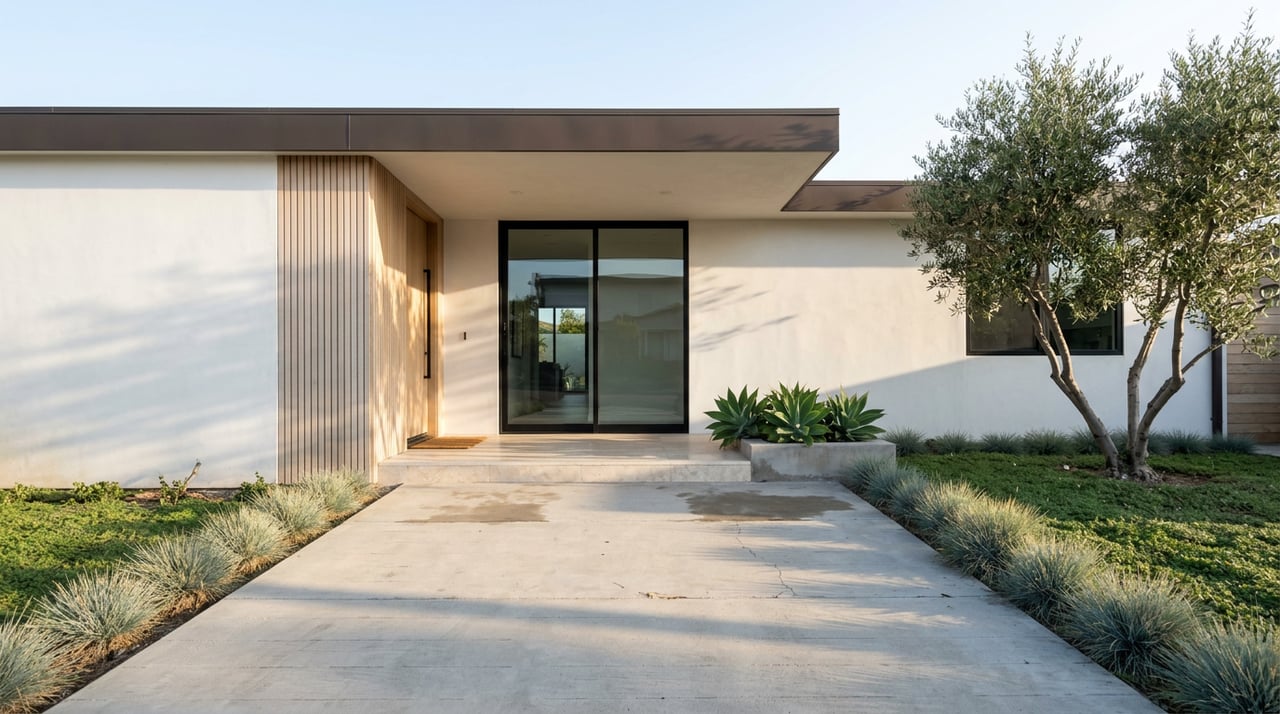
- Boutique newer townhomes: Smaller communities with direct-entry garages and slightly more private outdoor space, though available inventory is limited.
Typical interior sizes run roughly 1,000 to 1,900 square feet. Most complexes are stick-built with modest shared spaces, so you get privacy inside your unit and manageable common areas outside.
Amenities and how they affect dues
Common amenities include a pool and spa, gated entry, landscaped courtyards, and sometimes a small clubhouse. Many HOAs cover exterior maintenance and landscaping. Expect amenities to influence dues: pools, grounds, and insurance line items can push monthly fees higher. In recent listings, typical HOA dues for Lawndale condos and townhomes often range from $300 to $450 per month, and some communities include water, trash, or selected utilities in that number. Always confirm the line items in the HOA budget and disclosures.
Parking and outdoor space trade-offs
Townhomes usually win on parking. Direct two-car attached garages are common and make daily life simpler. Condos often rely on assigned spaces that may be tandem or subterranean. Before you commit, confirm in writing whether parking is deeded or assigned, how guest parking works, and if there are permit rules that could affect you. For background on how local projects approach parking layout and dimensions, review the city’s published parking standards.
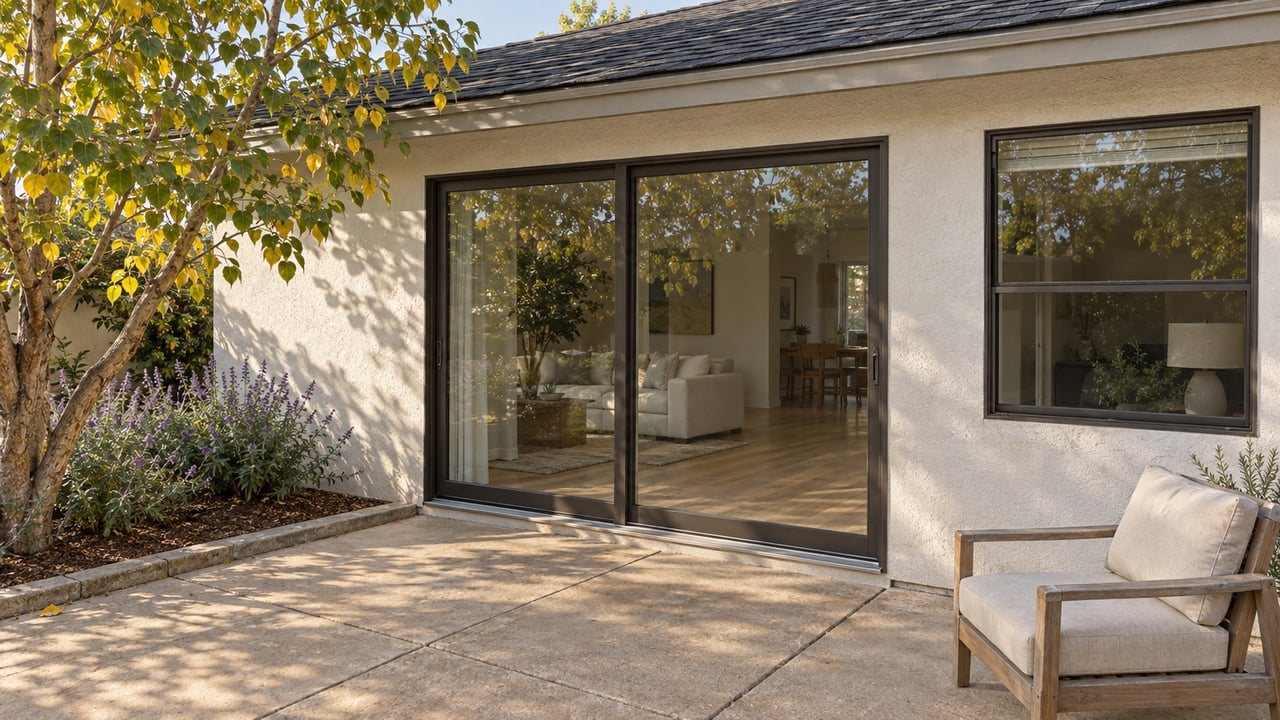
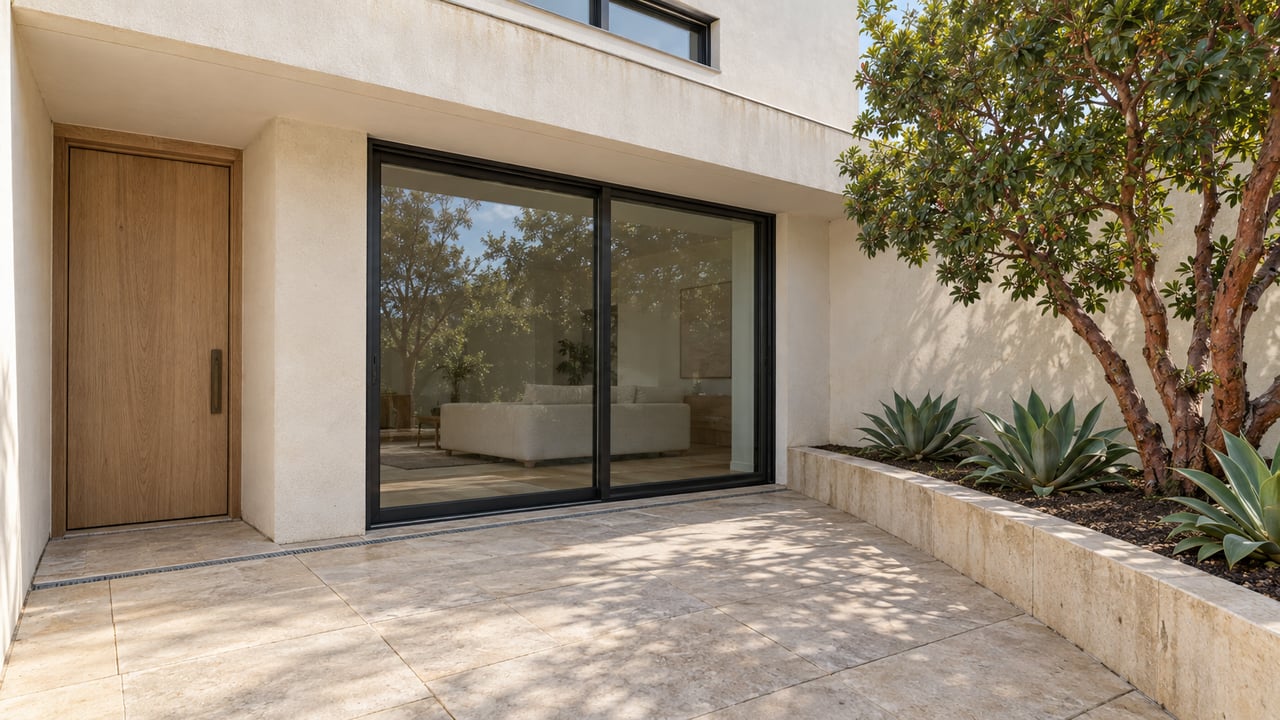
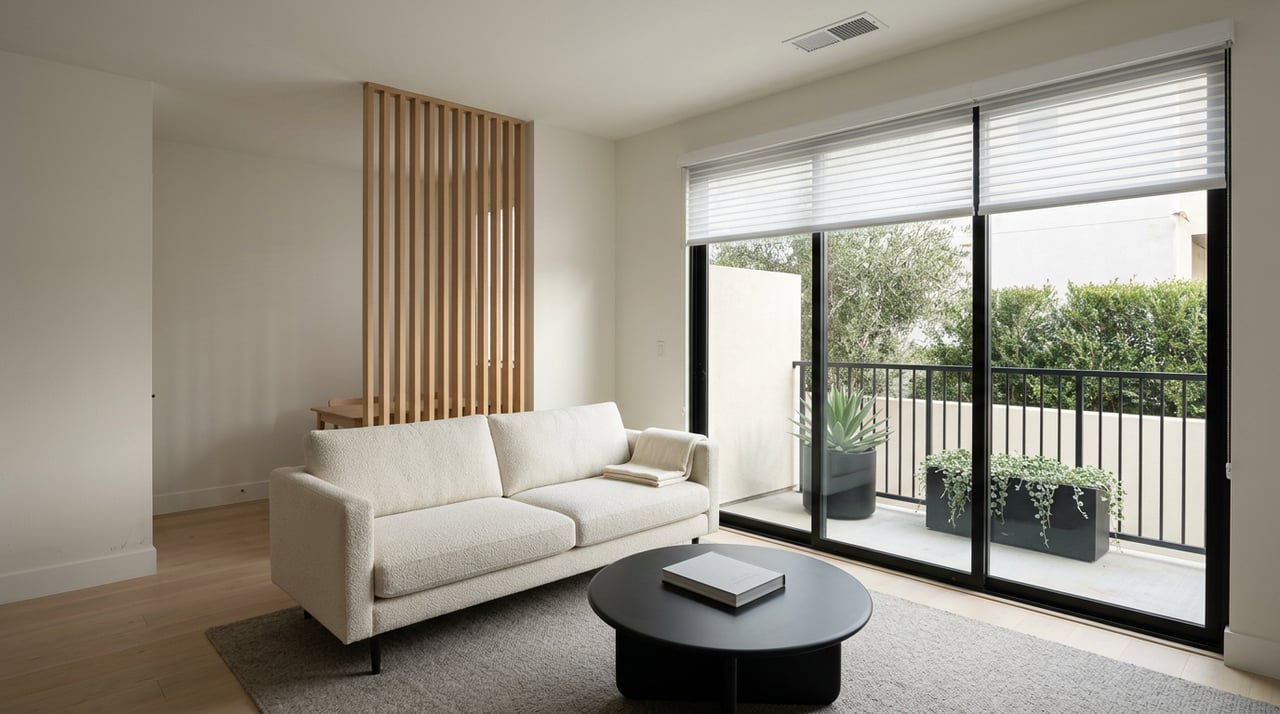
Private yards are uncommon in stacked condos. Balconies or small patios are the norm. If a small fenced patio or a bit of ground-level outdoor space matters, a townhome will be your better fit. If low upkeep and access to a pool or spa rank higher, a condo can be the right choice.
HOA 101 for California buyers
Buying a condo or townhome means you are also buying into a homeowners association. The HOA’s governance, budget, reserves, insurance, and rules can have more impact on your long-term costs than almost any other factor besides your mortgage.
- Required resale disclosures: California’s Davis–Stirling Act requires sellers to deliver a package of HOA documents. Civil Code Section 4525 lists what you should receive, including CC&Rs, bylaws, operating rules, the current budget and reserve summaries, insurance information, statements of assessments, and notices of any known violations or pending special assessments. Use this packet as your primary due-diligence source.
- Reserves and funding plan: Civil Code Section 5550 requires associations to inspect major components and prepare a reserve study and funding plan. Low reserves often lead to special assessments. Review the reserve percentage funded and recent assessment history carefully.
- Balcony and deck safety: California requires inspections of exterior elevated elements in many associations. Ask whether the HOA has completed the required inspections under SB 326 and whether any repair budgets are set aside.
- Your review window: Sellers must deliver disclosures, and buyers often negotiate a specific HOA-document review contingency. Many buyers request 10 to 14 days, depending on the contract. Civil Code Section 1102.3 addresses timelines tied to certain disclosures. Discuss exact terms with your agent and lender.
How to review an HOA like a pro
Use these steps to lower risk and avoid costly surprises.
1) Use the Davis–Stirling checklist
Request the full resale packet and verify the inclusions under Civil Code Section 4525. You want CC&Rs, bylaws, rules, the current budget, reserve study and reserve summary, insurance summary, year-to-date financials, any notices of violations or pending special assessments, and the last 12 months of board minutes or meeting summaries.
- Start by skimming the CC&Rs and rules for pets, renovation limits, rental caps, and quiet hours. Make a quick list of anything that could affect your use or future resale.
2) Read the budget and reserve study line by line
Focus on the reserve percentage funded, the schedule of upcoming component replacements, and any notes about deferred maintenance. Under Civil Code Section 5550, the board must inspect major components and plan funding. Low reserves or frequent special assessments are red flags. Ask the manager or board contact to confirm funded percent and whether any assessments are planned in the next 12 to 24 months.
3) Check insurance and your HO-6 needs
Obtain the HOA’s insurance summary to see what the master policy covers and what the deductibles are. Determine whether the master policy is “all-in” or “bare walls,” because that affects the interior improvements you must insure. Then get an HO-6 quote that includes personal property, liability, interior improvements, and loss assessment coverage. For a clear overview of master policy vs HO-6 basics, review this insurance guide.
4) Scan minutes for maintenance themes
Read the last year of board minutes for patterns: roof leaks, plumbing stacks, pool equipment, elevator repairs, or exterior paint. If you see unresolved items, ask for status updates and repair bids. Consider negotiating a seller credit if substantial work is expected.
5) Confirm parking, storage, and EV policy
Get a written map or statement that confirms your assigned space number or deeded garage, storage areas, and guest parking rules. If you plan to install an EV charger, ask for the HOA’s EV policy and the process to request installation. For city context on parking standards that guide new and converted projects, see Lawndale’s published requirements.
6) Verify balcony and deck compliance
Ask whether the association completed its exterior elevated element inspections under SB 326. Request the report and any repair or reserve plan tied to it. A completed inspection with a clear plan helps reduce risk.
Financing and project approval
FHA and VA loans require project approval or single-unit approval, depending on the case. Not every community will qualify. If you plan to use one of these loan types, confirm project status early using HUD’s condominium lookup and by speaking with your lender. Conventional loans may also involve a limited or full project review, especially if there is active litigation or low reserves.
- HUD condominium resources: Use this tool to understand FHA project approval and to search the database.
Inspections that matter for attached homes
You still need a standard home inspection for your unit. Add targeted checks that fit attached housing in older communities:
- Wood-destroying organism (WDO) inspection, since many buildings are older wood-frame construction.
- Sewer scope where accessible, and any records of HOA water-main issues.
- If balconies or walkways serve your unit, confirm whether the HOA completed SB 326 inspections and request the findings.
If the HOA minutes or budget hint at building-wide issues, consider bringing a specialist to evaluate those components and provide ballpark costs.
Compare to single-family in Lawndale
Single-family homes often carry higher purchase prices but no monthly HOA dues. You handle your own exterior maintenance and insurance. Condos and townhomes shift exterior maintenance and some insurance to the HOA for a monthly fee. If you value a lower entry price and less upkeep near the coast, attached housing is a practical route. Your main trade-offs are shared walls, HOA rules, and smaller private outdoor areas.
Quick buyer checklist
- Get pre-approval and tell your lender you may need condo project checks for FHA or VA if applicable.
- Ask for the full HOA resale packet immediately. Verify CC&Rs, bylaws, rules, budget, reserve study and reserve summary, insurance summary, recent minutes, and any pending or recent special assessments.
- Review reserve funding percentage and near-term component replacements. Ask about planned assessments.
- Confirm parking location and status in writing. Note guest parking rules and any storage areas. Ask about EV charger policies and process.
- Order inspections: general home inspection, WDO, and sewer scope where accessible. If minutes flag building issues, request specialist bids.
- Price your HO-6 policy after you see the HOA’s master policy and deductibles.
- Before closing, confirm any HOA transfer or processing fees.
Ready to buy with confidence?
If you want a clear plan, local comps, and a hands-on advocate who knows South Bay complexes, let’s talk. As a South Bay local since 1984 with two decades of transactions, I help you weigh trade-offs, stress-test HOA budgets, and negotiate with confidence. Start a conversation with Theresa Bruno today.
FAQs
What are typical HOA dues for Lawndale condos and townhomes?
- Recent listings often show dues in the $300 to $450 per month range, with variations based on amenities like a pool, landscaping, and insurance; confirm exact inclusions in the HOA budget and disclosures.
How do FHA or VA loans work with Lawndale condos?
- FHA and VA loans require project or single-unit approval, so confirm early using HUD’s condominium resources and your lender to avoid delays.
What should I look for in an HOA reserve study?
- Check the percent funded, the timeline for major components, and any notes on deferred maintenance; low reserves or frequent special assessments can signal higher future costs under Civil Code Section 5550.
Are two-car garages common in Lawndale townhomes?
- Many tri-level townhomes include direct-entry two-car garages, while condos typically offer assigned or subterranean parking that can be single or tandem spaces.
What does California’s SB 326 balcony law mean for buyers?
- It requires inspections of exterior elevated elements in many associations; ask if the HOA completed inspections, request the report, and confirm any repair budgets or reserve plans.
Do HOAs in Lawndale cover utilities?
- Some do and some do not; it is common to see water and trash included, but always verify the specific utility line items in the HOA budget and disclosures before you write an offer.