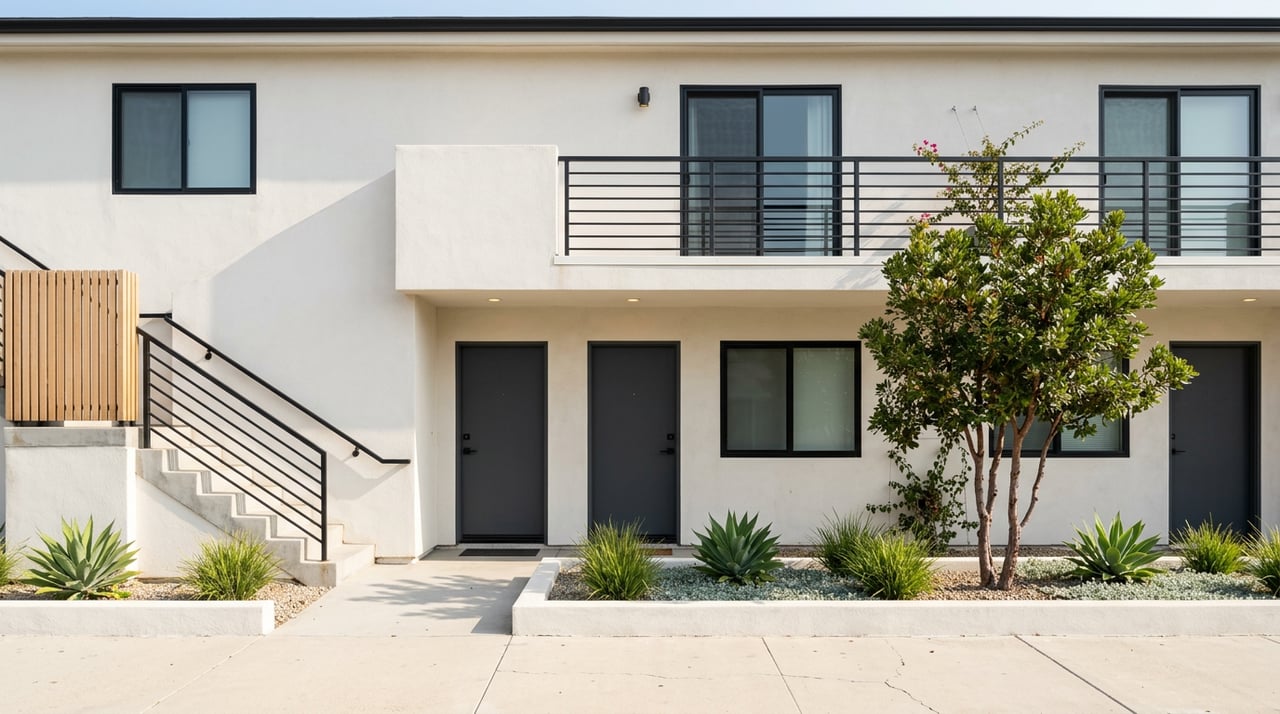
Thinking about buying a duplex or triplex in Gardena but not sure where to start? You are not alone. Many South Bay investors and house hackers look here for steady demand and practical returns, yet the details can feel confusing. In this guide, you will see realistic rent ranges, line-item expenses, a sample pro forma, and the local rules that matter so you can run the numbers with confidence. Let’s dive in.
Why Gardena works for small multi
Gardena sits in the South Bay with quick freeway access to job hubs across the South Bay and Long Beach corridor. That access helps support steady renter demand from people who value commute options and neighborhood convenience.
The city’s small-multifamily inventory skews mid-century. Many duplexes and triplexes were built in the 1950s and 1960s, which means wood-frame structures, older systems, and common needs like roof, plumbing, and electrical updates over time. That age mix can create value-add opportunities if you plan for capital work. You can see a snapshot of the area and zip codes here for local context on Gardena’s housing stock. Review Gardena’s local profile.
One more note on strategy. Short-term rentals are limited by the city’s home-sharing rules, which reduces potential STR upside for investor-owned units. If you plan to underwrite nightly stays, read the local policy first. Check Gardena’s short-term rental regulations.
Rents to expect in Gardena
Portal averages vary, but recent snapshots point to these ballpark monthly ranges:
- Studios: about $1,700 to $1,900
- 1-bedrooms: roughly $1,700 to $2,100
- 2-bedrooms: roughly $2,300 to $3,100
These are not guarantees. Treat them as a starting point and verify with a seller’s rent roll, current leases, and 3 to 5 comps within a one-mile radius. You can review recent averages for Gardena here. See current rent ranges for Gardena.
Property types and what to look for
Most duplexes and triplexes are 1 to 2 stories, with wood-frame construction and either raised or slab foundations. Many older units lack in-unit laundry and rely on single-car garages or carports. Parking counts and whether utilities are separately metered can affect both rentability and your operating costs.
What to confirm during tours and due diligence:
- Separate meters for gas, electric, and water
- Parking spaces per unit and any tandem or street dependencies
- Condition of roof, plumbing lines, and electrical panels
- Permit history for any conversions or additions
Market metrics to keep in view
Across the Los Angeles metro, small-multifamily assets have repriced since 2022. Recent reports show cap rates for suburban and value-add properties have often moved into the mid 5 percent range, and metro vacancy has hovered in the mid 4 to mid 5 percent band. Price your expectations accordingly when you model entry cap and exit yields. Read the LA multifamily market overview.
Rules that affect returns
SB 9 and ADUs: Gardena adopted local implementation of SB 9 and updated ADU rules. This can open options for lot splits, ministerial duplex conversions, and accessory units, as long as a parcel meets objective standards. Always confirm setbacks, parking, utilities, and eligibility with City Planning before you underwrite any unit-add plan. See Gardena’s Planning and SB 9/ADU resources.
Rent mediation and state rent caps: Gardena does not have a citywide rent control ordinance, but it does have rent mediation and notice rules that landlords must follow. Also be mindful of statewide protections under AB 1482 for covered units. Review Gardena’s rent mediation program.
Property taxes: In Los Angeles County, the base Prop 13 levy starts near 1.00 percent of assessed value, plus voter-approved bonds and assessments. Effective rates often land around 1.10 to 1.20 percent depending on the Tax Rate Area. Use the county lookup to pull the exact TRA for your parcel when estimating taxes. Look up the LA County Tax Rate Area.
Underwriting basics: income and expenses
Start conservative. Use the lower end of current asking rents for your initial pro forma and verify with leases and neighborhood comps. Also account for any non-rent income such as laundry, parking, and storage.
Typical expense placeholders for small 2 to 3 unit buildings:
- Vacancy and credit loss: 4 to 8 percent of scheduled rent, often 5 percent in stable South Bay submarkets
- Management: 8 to 12 percent of collected rent if you use third-party management
- Property taxes: use the parcel’s actual TRA; plan 1.10 to 1.20 percent as a starting point until you confirm
- Insurance: premiums have risen; a small-building policy can range from roughly $1,000 to $3,000 per year depending on coverage and risk factors. Per-door estimates of about $150 to $650 per year are common planning ranges. Get an overview of rental insurance cost drivers
- Owner-paid utilities: water, trash, and sometimes common-area electricity or gas; review 12 months of bills
- Repairs and maintenance: 5 to 10 percent of effective gross income, higher for older assets
- Replacement reserves/CapEx: plan $250 to $1,000 or more per unit per year depending on age and systems
As a reference point, institutional benchmarks show multifamily operating expenses, including reserves, often around 40 percent of gross rents nationally. For small assets, a 30 to 45 percent expense ratio on effective gross income is a practical underwriting band. Review IREM’s expense insights.
Example pro forma for a Gardena triplex
This is a simple illustration using conservative mid-range rents. It is an example only, replace with the property’s T-12 and actual parcel tax data.
Assumptions:
- Mix: 1 unit at 1-bedroom for $1,900, 2 units at 2-bedroom for $2,500 each
- Gross monthly rent: $6,900; annual gross: $82,800
- Vacancy at 5 percent: Effective Gross Income about $78,660
Estimated annual expenses:
- Property taxes: assume 1.16 percent on a $1.20 million assessed value, about $13,920
- Insurance: $2,000
- Management: 9 percent of EGI, about $7,079
- Repairs and maintenance: 7 percent of EGI, about $5,506
- Owner-paid utilities: estimate $2,400
- Reserves/CapEx: $1,200 per unit per year, total $3,600
Total operating expenses in this example land near $33,000 to $40,000, which is roughly 42 to 51 percent of EGI. That implies a sample NOI near $42,660.
If the market cap rate is 5.5 percent, NOI of $42,660 would imply a value near $775,000. If your target price is much higher, you either need higher stabilized income, lower expenses, or a different return goal. Always run sensitivities on rent, vacancy, expenses, and exit cap.
Long-term hold vs. value-add
You can find success with either path in Gardena, as long as your assumptions fit the property.
Long-term hold works when:
- The price aligns with today’s cap rates for small assets
- Units are near market rent and in good condition
- You maintain reserves and focus on tenant retention through steady maintenance and small amenity upgrades
Value-add can work when:
- You target practical improvements like paint, flooring, lighting, and kitchen or bath refreshes that support measured rent bumps
- You add in-unit laundry where plumbing and electrical allow
- You submeter utilities if legally and physically feasible
- You improve curb appeal, lighting, and entry security to boost leasing and retention
A targeted, rental-grade refresh that supports a $150 to $400 monthly rent increase can pay back over several years, depending on scope and financing. Get contractor bids, confirm permit needs, and model downtime costs before you start.
Financing and house hacking options
If you plan to live in one unit, conventional owner-occupant financing for 2 to 4 units may allow a lower down payment than many expect. Recent updates from Fannie Mae introduced a 5 percent down option for certain multifamily homes, which can reduce your cash barrier if you qualify. Always confirm program specifics with your lender. Read about Fannie Mae’s 5 percent down option.
FHA and traditional conforming options also exist for 2 to 4 units, each with different limits, mortgage insurance rules, and reserve requirements. Work with a lender that understands 2 to 4 unit underwriting so your preapproval reflects realistic rental income treatment and reserves.
Key due diligence checklist
Before you remove contingencies, gather and review these items:
- Financial: certified rent roll, copies of current leases, T-12 operating statement, 12 months of utility bills, and the building’s insurance policy
- Legal and title: preliminary title report, recorded easements, parcel map or survey as needed, and confirmation of legal lot status
- Physical: full property inspection plus focused reviews of roof, HVAC, plumbing, and electrical; permit history; lead disclosure review for pre-1978 buildings
- Zoning and code: verify unit legality, certificate of occupancy, unpermitted structures, and any seismic or soft-story requirements that may apply in the LA area context
How local rules shape your plan
Two city items shape your operating plan in Gardena.
SB 9 and ADUs: If you plan to add units, check parcel eligibility and objective standards before you count this income. Standards include setbacks, parking, and utility capacity. Start with the city’s Planning page.
Rent mediation and notices: Understand notice periods and mediation procedures for rent increases. Also check whether your units fall under AB 1482 just-cause and rent cap protections. Read the rent mediation guidance.
Where a local broker adds value
A South Bay broker who actively works small multifamily can save you time and risk by:
- Supplying block-by-block rent comps and vacancy context that go beyond portal averages
- Sourcing pocket or off-market opportunities through local networks
- Screening SB 9 and ADU feasibility at the parcel level and connecting you to planners and permit pros using the city’s resources
- Referring reliable managers and contractors who know local pricing and timelines
- Helping you structure house-hack versus investor financing, and model exit cap assumptions in light of current metro cap rates
Putting it all together
Gardena offers a practical path for small investors and live-in owners who want steady demand and clear value-add levers. Set rents with local comps, use conservative expense ratios, and model different cap and exit scenarios so you know your breakeven and upside before you write. Confirm SB 9 or ADU ideas early, follow rent mediation and AB 1482 rules, and plan capital reserves that reflect mid-century systems.
If you want a local, one-on-one guide to help you find, evaluate, and negotiate the right duplex or triplex in Gardena, reach out to Theresa Bruno to start a focused plan.
FAQs
What are typical Gardena rents for duplex units?
- Recent snapshots show 1-bedrooms around $1,700 to $2,100 and 2-bedrooms about $2,300 to $3,100, but you should verify with a current rent roll and nearby comps. See averages.
How should I estimate property taxes on a new purchase?
- In LA County, start with about 1.10 to 1.20 percent of the new assessed value, then confirm the exact Tax Rate Area for your parcel. Use the county TRA lookup.
Can I add units under SB 9 or build an ADU in Gardena?
- Possibly, if your parcel meets objective standards for SB 9 or ADUs. Always confirm setbacks, parking, and utilities with City Planning before you underwrite added units. Check the city’s guidance.
Does Gardena have rent control for small multifamily?
- Gardena uses a rent mediation and notice process, not citywide rent control, and statewide AB 1482 rules may apply to covered units. Review the rent mediation page.
What cap rate should I use to underwrite a Gardena duplex or triplex?
- LA metro reports show many suburban and value-add assets trading in the mid 5 percent range recently; calibrate to local comps and your property’s condition. See market context.
Is house hacking a 2 to 4 unit in Gardena realistic with a low down payment?
- Yes, if you qualify. Some conventional programs allow as little as 5 percent down for owner-occupied 2 to 4 unit properties, and FHA may be an option too. Read about the 5 percent option.